News
Arts & Sciences
Health & Wellness
News
Hospitality & Business
Experience Is the New Economy and Hospitality Leads the Way
The hospitality industry is at the forefront of the Experience Economy — and both are in a state of transformation and growth. Travel, tourism, events and hotels play a major role in how people spend their free time. Now, the focus is more on immersive and memorable experiences that are more in tune with personal interests, tastes and values. And Gen Z and Millennials are leading this transformation.
According to Senior Research Analyst at Skift, Varsha Akora, and as reported in Forbes.com, “Millennials and Gen Z are steering travel trends with a focus on technology, sustainability and a quest for distinctive and meaningful experiences.”
Whether your ideal experience is bent towards adventure, ancient history, food and beverage, entertainment or education — technology is making it easier to find and customize such experiences with flexible schedules and itineraries, whether through a tour company or on your own.
How Travel and Tourism are Transforming
Associate Professor Bryan Lavin, with a combined background in hospitality and marketing, shared his view on how tourism is evolving to be more about experiences than just booking a flight and hotel room.
“I'm not in the tourism business; I'm in the experience business — that applies to venues, sporting events, concerts, conferences, leisure travel, adventure travel, walking tours — all these combine with the need for people to go and have experiences.”
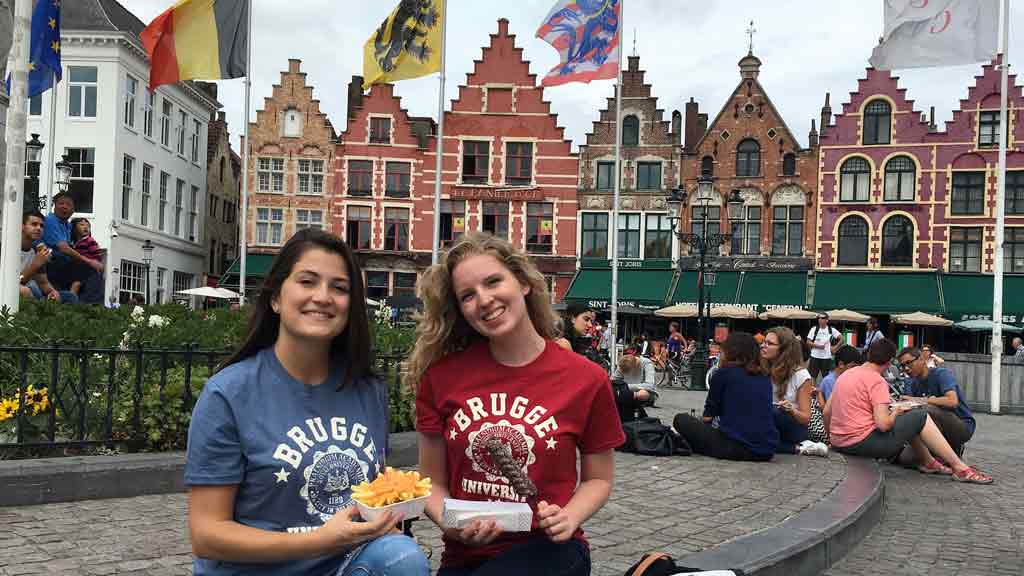 Students on Study Abroad trip in Belgium.
Lavin added, “A big hallmark of the experience economy is the idea of transformationalism, that you can go have an experience, and not only have a great time, but also walk away feeling like a better person.” He used JWU’s Tour Management Operations course as a prime example: “The course is designed for students planning careers in tour guiding or tour operations to learn about tour components, operations and management along with internal communications. It culminates with a tour to a selected destination and each student must research, negotiate and develop a highly anticipated journey.” Lavin noted that many students in this course have never been outside of the United States before and the trips can be life-changing for them.
“The students experience immersive trips and when they come back, their perspectives have changed. They've learned the course material, but they've also learned about being a global citizen and respecting other cultures. They've bonded as a group, because when you travel together, you form cohesions that don't exist in other types of social avenues. It really is a transformational course, where you see students start here, and they end in a totally different place.”
Current Travel and Tourism Trends
Rachel Jordan ’19, 22 M.S. is a product marketing manager at Collette, a global tour operator headquartered in Pawtucket, Rhode Island, where she also interned when she was an undergraduate in hospitality management.
An avid traveler herself, Jordan sees first-hand how the industry is being reshaped, such as tours being geared more towards customers’ specific interests and being more flexible. She’s also seen how people — from Gen Z through Baby Boomers — are choosing to spend their leisure time and retirement experiencing destinations, events and adventures.
“The industry as a whole is growing quite a bit, and people are realizing that you get much more out of experiences such as learning about different cultures and people around the world; that’s something you'll carry with you forever and people are starting to realize that.”
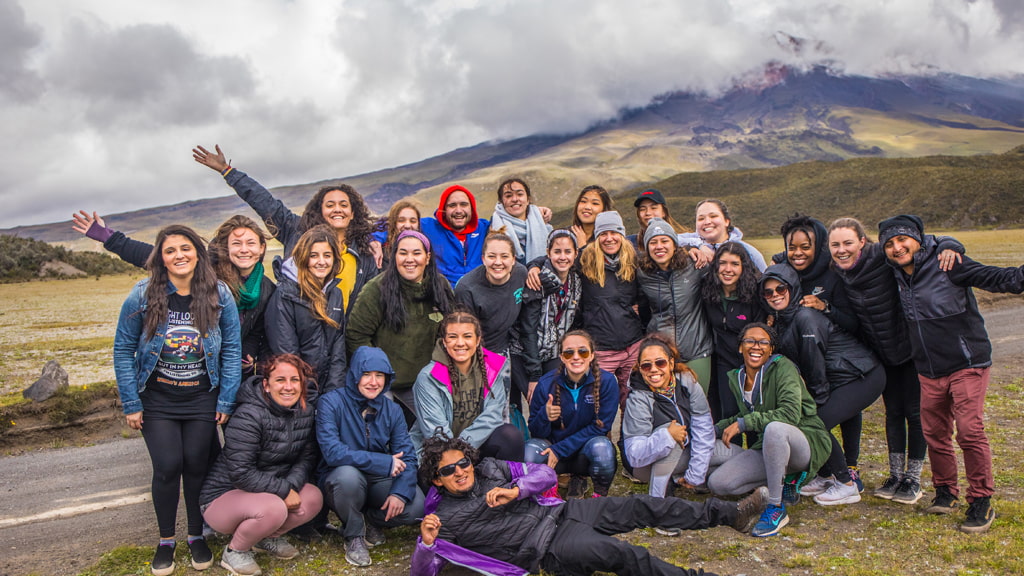 Students on tour in Ecuador for Tour Management Operations course.
As a millennial, Jordan says it’s possible for people of all ages to turn their travels into memorable experiences. On the younger side, people who don’t yet make substantial incomes still have options for affordable trips and adventures thanks to technology. “There are so many tools and websites you can use to find cheaper prices, like Couchsurfing and Facebook groups where people open their houses to others, swap houses — these didn't exist 20 years ago.” You can also find all kinds of events, outdoor excursions and locations off the beaten path by searching online as well.
With Collette’s customers average age in the 60s, Jordan is seeing that late Baby Boomers’ travel preferences are shifting. When travel was down during Covid, Collette surveyed their customers about the type of tours they want and what they would like included. “We learned customers prefer trips that are more in line with the experience economy — opportunities that are meaningful, personalized, not cookie cutter, and offer substantial choices and free time,” noted Jordan.
With survey results in hand, Collette started finding and working with locals from its tour destinations to help put together the experiences their customers look for. “The locals we work with know the destinations like the backs of their hands,’ says Jordan. “They know the nuances of the culture and what travelers should see while they’re there and that knowledge leads to more authentic experiences overall and being more involved in the local culture. That might look like having conversations with locals at home-hosted meals or joining a cooking class to learn how to make local cuisine rather than just watching someone else do it.”
Events as Experiences
Like travel and tourism, the live events sector of hospitality is evolving. People are looking for more interactive, personalized events rather than just being a spectator.
Taylor Swift’s The Eras Tour is an example of an event that portrays the essence of the experience economy, according to Associate Professor Elizabeth Covino, who teaches event management courses within the Sports, Entertainment, Event — Management (SEEM) program.
“The most impressive example of the experience economy is the impact of The Eras Tour on the cities included in Swift’s two-year concert run,” explained Covino. “Industry data shows that the tour had the highest grossing concert tour of all time, an estimated profit of $2.2 billion. Swift’s 51-city tour showed high occupancy rates in hotels in those cities due to ’Swifties’ extending their stays. Each of those cities also saw major revenue impacts on hotels, restaurants, ride sharing companies and millions spent directly by attendees.”
Covino added, “Taylor Swift illustrated that it wasn’t enough to just attend the concert; you had to experience it. Attendees brought friendship bracelets to trade, wore special outfits to match the theme of Swift’s performance and the crowds of thousands became part of the concert’s light show.”
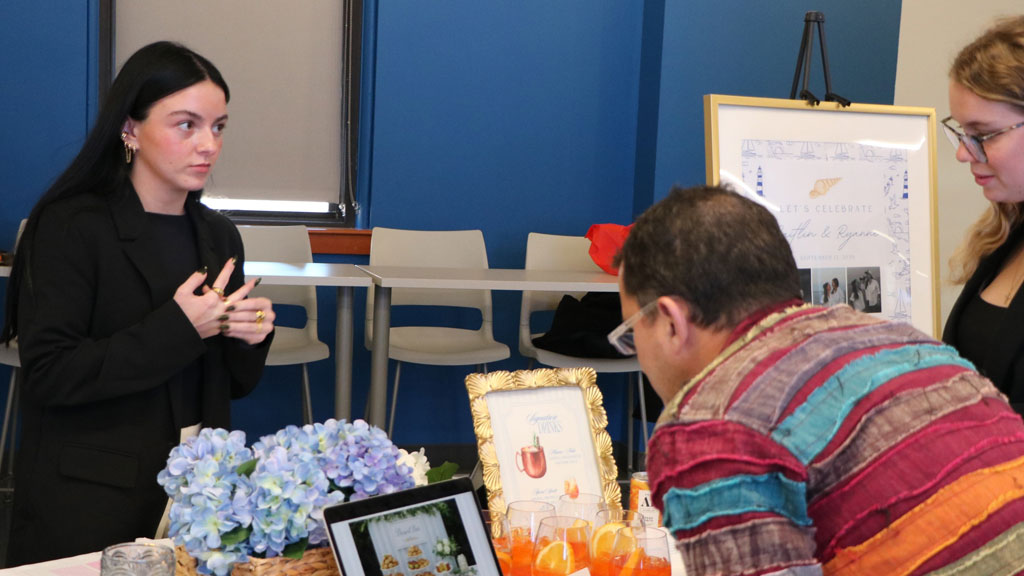 Students pitching wedding ceremony plans.
Preparing Students for Careers in Events
“As part of the SEEM program curriculum we realize that to understand events, students must go out into the industry and put learning into practice through real life experiences and projects,” explained Covino.
For some SEEM courses, Covino leads experiential projects that give students real experience in booking and presenting entertainers, project management, creating and presenting event plans to potential clients and working with sponsors. Here’s a quick look at a few of those course projects:
- Special Events: Students produced a show spotlighting hypnotist Frank Santos Junior that attracted more than 120 JWU students.
- Weddings & Ceremonies: Students created and presented a wedding plan for a same-sex couple’s upcoming ceremony. Several local events experts attended, including Jim Verity of Verity Design, to give students their feedback.
- Concerts: Students developed plans for a live concert to be held in the Spring 2026 semester. They pitched their plans to Dan Schwartz ’07, general manager, Veteran’s Memorial Auditorium, and Michelle Lorenger, executive director, Day One, the event’s sponsor.
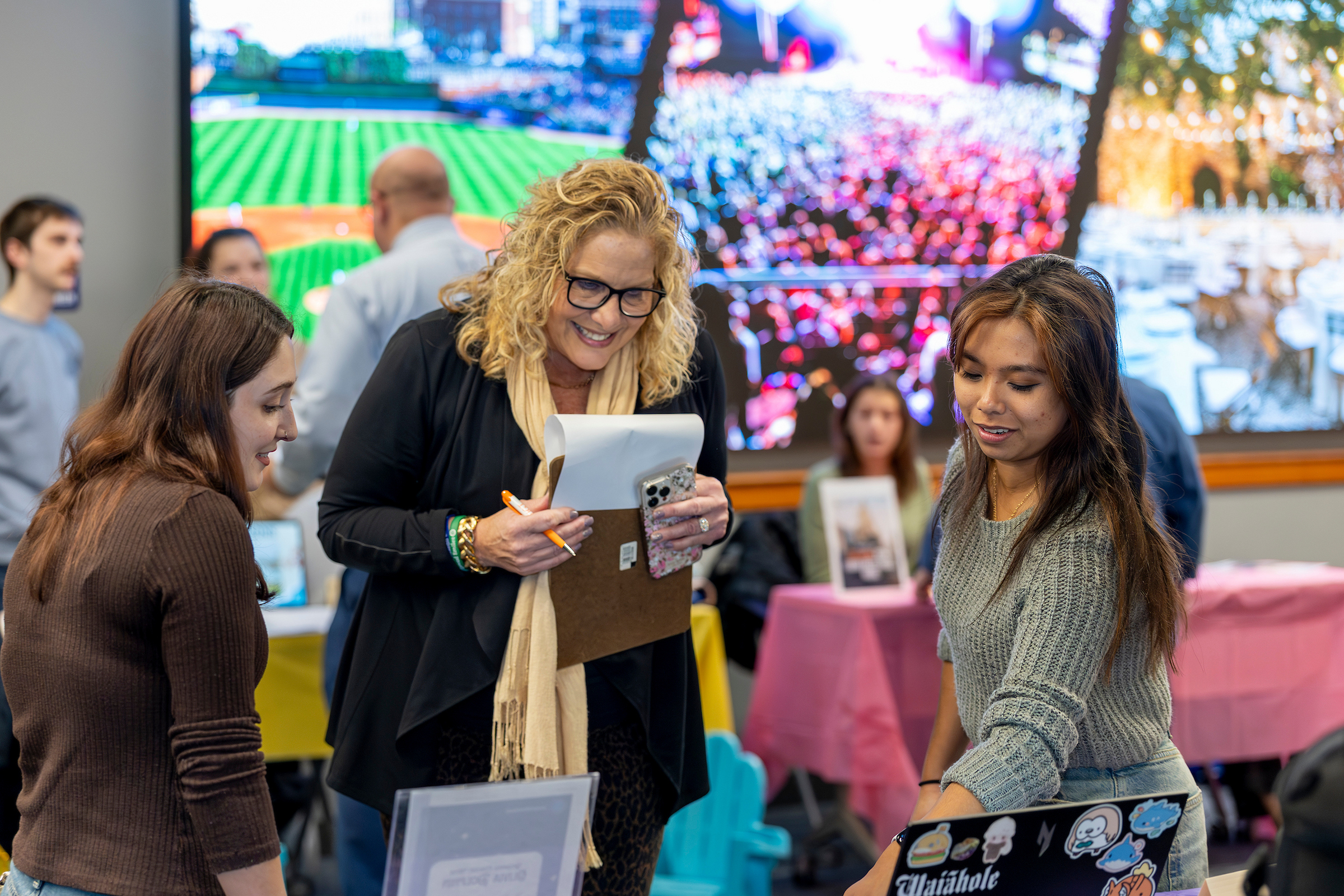 Students pitching concert production plans to Michelle Lorenger, executive director, Day One, the event’s sponsor.
Travel and Tourism Jobs Soar in Thriving Experience Economy
As the negative effects of the pandemic on travel and tourism have subsided, there’s been a resurgence in those industries. The World Travel & Tourism Council (WTTC) estimated that travel will increase an average of 5.8% through 2032 — more than double the forecast for overall economic growth.
As stated in the WTTC’s report, “Future of the Travel & Tourism Workforce,” jobs in travel and tourism will escalate: “Over the next decade, Travel & Tourism is projected to generate 91 million new roles, accounting for one in every three new jobs created globally,” and that “positions which rely heavily on human interaction and services that cannot be easily automated will remain in high demand.”
“This report is a call to action,” said WTTC Interim CEO Gloria Guevara, who spoke to the importance of education in helping to fill the continuously expanding number of roles open. “By working together with governments and educators, our sector will meet these challenges and continue to be one of the most rewarding sectors, offering dynamic futures for the next generations.”
How can these employment gaps be filled? By educating and preparing students interested in careers in travel, tourism and the entire hospitality environment through hospitality programs like JWU’s.
How JWU Prepares Students for Hospitality Roles
The different sectors of the hospitality industry can best fill their expanding employment needs with prospects who have a solid knowledge of the overall hospitality industry combined with lived experience.
Hospitality degree programs have been offered for more than five decades at JWU, providing a combination of academics, opportunities for experience in the field and connections with industry experts and employers — before graduation.
Hospitality majors include Hospitality Management, Food & Beverage Industry Management or Sports, Entertainment, Event — Management (SEEM). JWU recently launched a Three-Year Bachelor’s Degree in Hospitality Management that provides a faster, more affordable path to a hospitality career. And if you’re looking to move up in your career, JWU also offers graduate programs in hospitality and business.
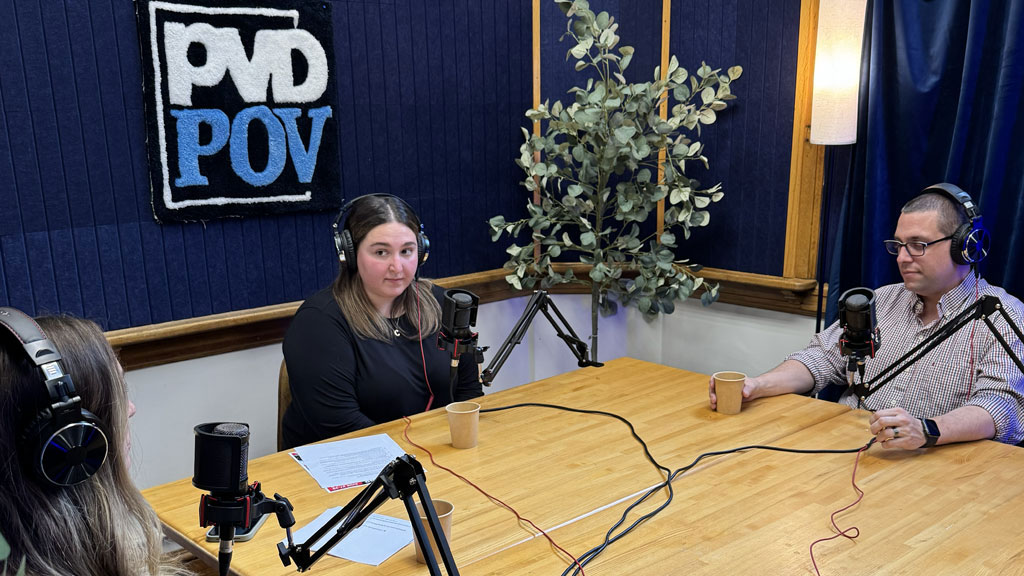 PVD POV podcast in production with Carley Foto '19, Convention Services Manager, Providence Warwick Convention & Visitors Bureau, being interviewed as guest.
Hospitality and Business Merge and Complement Each other
The hospitality and business industries complement each other within several sectors of the experience economy — economic development, marketing and promotions, event management, hotel management, growth of local businesses and strengthening communities and job growth.
The recent merging of JWU’s hospitality and business programs into one college, the College of Hospitality & Business, has made the academics and the experience gained through the programs even more beneficial, with opportunities for students to acquire knowledge and experience in both areas, making them more well-rounded and prepared for positions across industries.
An example of hospitality and business working together cohesively — out in the real world and in the classroom — is an experiential education project led by Associate Professor Lavin through two courses.
Students in the Foundations of Consulting for the Tourism Industry course worked closely with GoProvidence, the marketing brand and website for the Providence Warwick, Convention & Visitors Bureau, which is the primary tourism resource for the Providence metro area.
After meeting and brainstorming with GoProvidence staff, students got to work designing a business plan and strategy for a new podcast concept, PVD POV podcast, an “all-access pass to the heart of Providence, Rhode Island.”
Lavin then led students in the Tourism Media Production course in developing content for the podcast, producing nine episodes, building a marketing strategy and working closely with GoProvidence on evolving the overall product. “And these are students that have no media communications experience at all — it was learn by doing,” said Lavin.
Where Your Education Can Take You
To give you an idea of the different types of internships and positions our students and alumni have held, the various fields they’ve worked in and how their education helped steer them in the direction of the experience economy, here are some of their stories:
Luxury Hospitality Careers Thrive: JWU at The Beatrice Hotel
Jennifer Curtin ’13, General Manager
Yunwoo Tim Chung ’16, ’19 MBA Operations Manager
Sam Gibbs ’26, Guest Services Supervisor
Maya Lal ’24, ’26 MBA Night Auditor
JWU and Disney: Where Dreams Meet Opportunity
Ashley Lindman ’26, intern, Disney Culinary Program
Behind the Scenes of Znyah Johnson’s Internship with Southern Entertainment
Znyah Johnson ’26, intern, Southern Entertainment
Behind the Scenes: From Campus Concert to Iconic Music Festivals
Miranda Hasani ’25, intern, Newport Festivals Foundation
Related Posts
Hospitality & Business
Experiential Education
Students
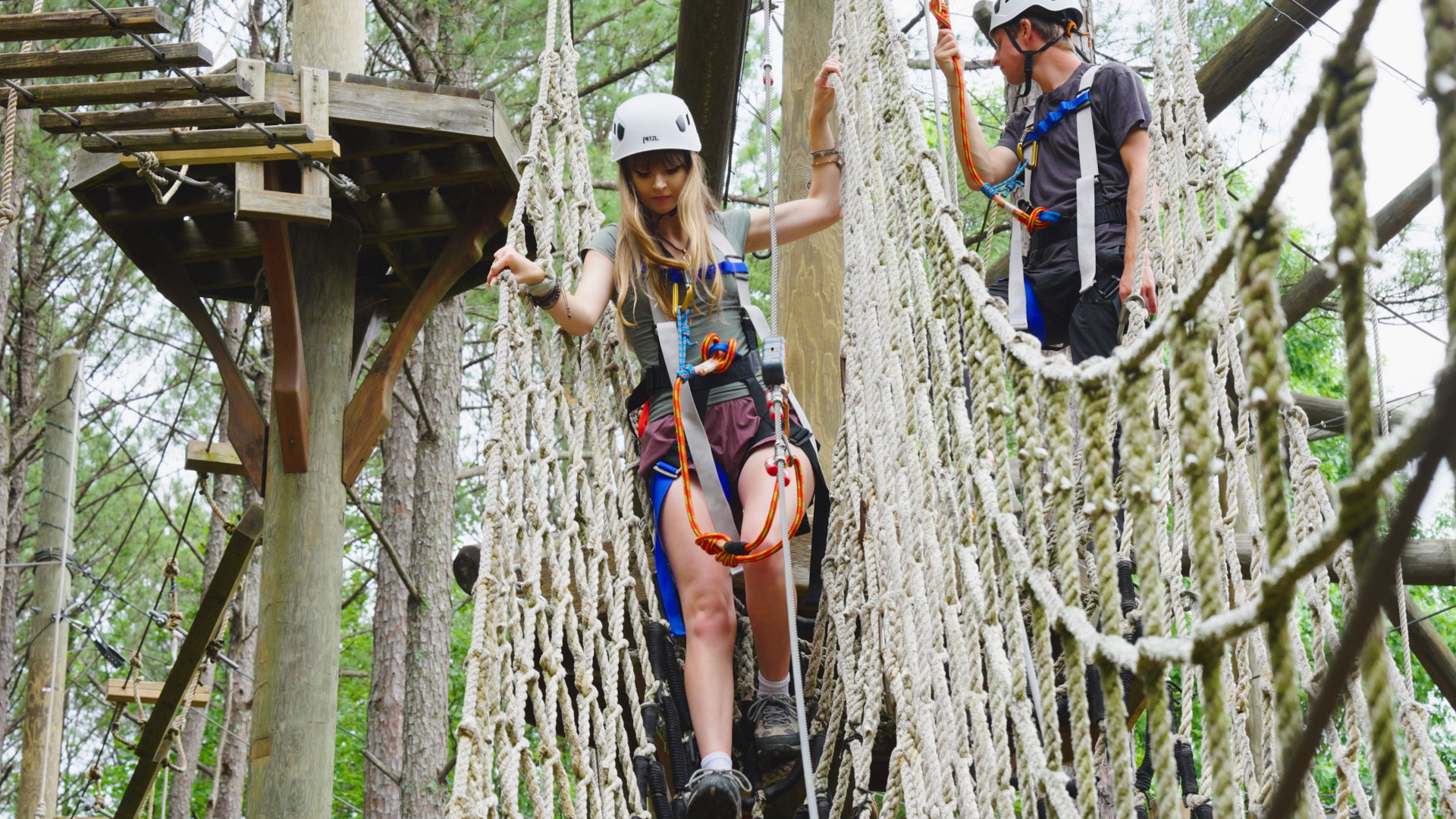
JWU Hospitality Student Lands Outdoor Adventure Internship
Culinary
Alumni
Hospitality & Business
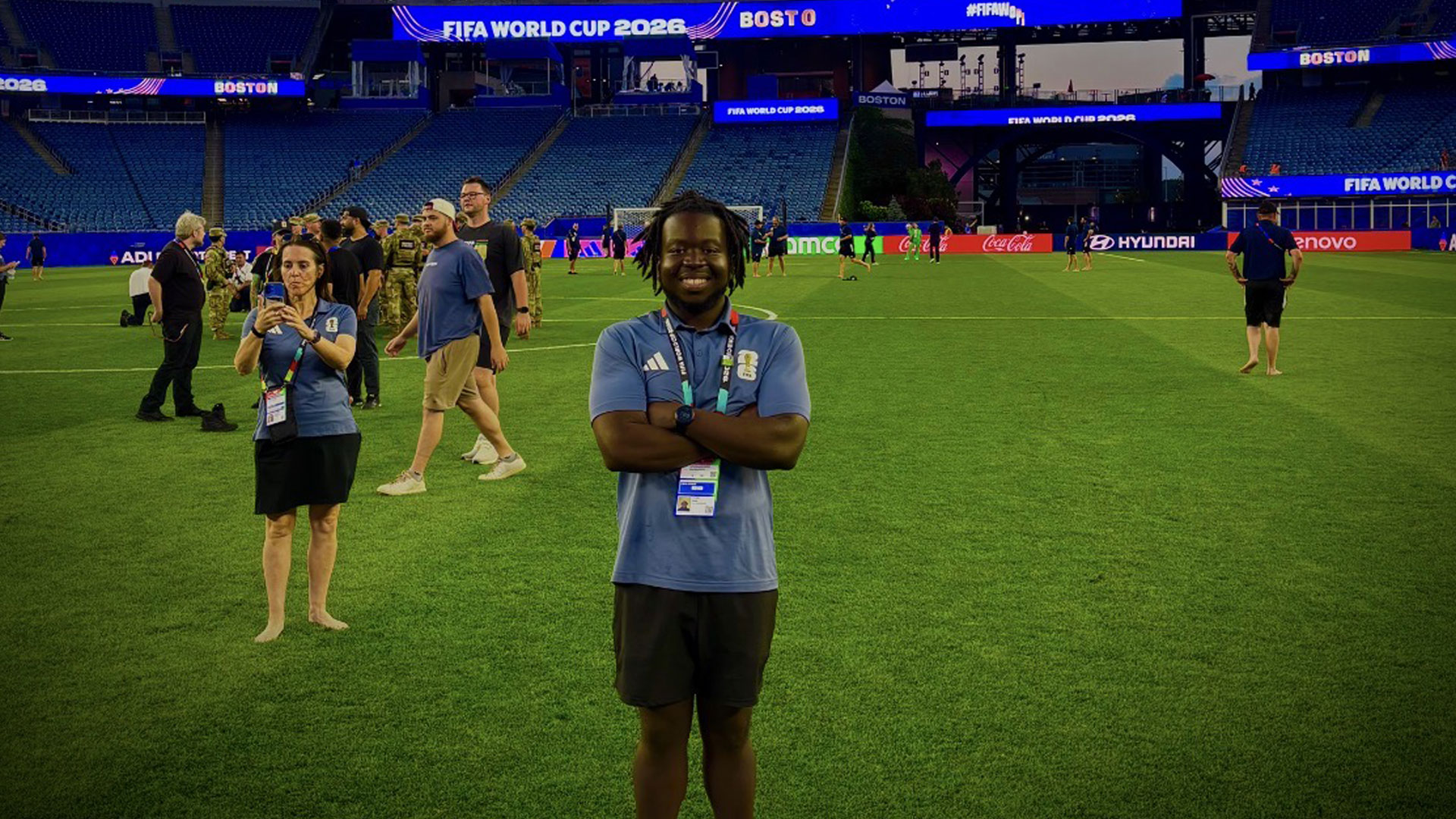
How 3 JWU Alumni Helped Run FIFA World Cup 2026
Alumni
Hospitality & Business